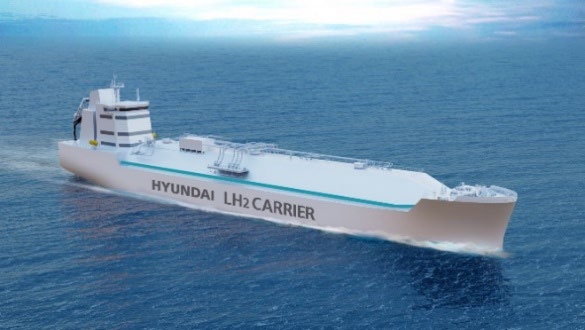
As liquid hydrogen (LH₂) moves toward large-scale transport by sea, the people on board and in port need clear, practical guidance. Under Task 8.6, the University of Strathclyde (UoS) has developed a framework for comprehensive Occupational and Social Health and Safety (OSHS) guidelines for LH₂CRAFT. They are aimed at helping seafarers and port personnel understand and manage the hazards of carrying liquid hydrogen as cargo.
The guidelines cover hydrogen-related hazards, preventive and mitigation measures, emergency response actions and the safety systems installed on board. Their purpose is to create a safe operating environment and reduce the risk of injuries, fatalities and operational disruption. The work is built around three objectives:
- Awareness: a comprehensive, easily accessible guidance document on the hazards of transporting and handling liquid hydrogen
- Practical guidance: best practices, hydrogen-specific safety measures and appropriate responses to incidents, both on board and during port operations
- Capacity building: a dedicated training course on liquid hydrogen safety and risk management
The guidelines draw on the combined findings of LH₂CRAFT’s safety work: the latest applicable rules and regulatory developments, the regulatory gap analysis (Task 8.1), the HAZID findings (Task 8.2), the HAZOP and FMEA studies (Task 8.3) and the QRA results (Task 8.4).
A structure for Deliverable D8.6 has been established, covering loading and unloading, voyage operations, maintenance, emergency response, and ergonomic and workplace design considerations. Across these areas, the guidelines will explain the safety systems in place and outline preventive measures and appropriate responses to potential hydrogen leaks.
The guidelines will be updated throughout the project to reflect evolving class rules, regulatory requirements and the results of ongoing risk assessments, particularly the desktop studies. These outcomes, together with contributions from other work packages, will also shape the LH₂CRAFT short course, planned for early 2027.