The LH2CRAFT consortium convened its 4th General Assembly Meeting on 26–27 November 2025 at the School of Naval Architecture and Marine Engineering at the National Technical University of Athens (NTUA). Partners gathered for two days of constructive dialogue, technical exchange, and forward planning, with a strong emphasis on synchronising activities across all work packages and preparing for the next stages of the project.
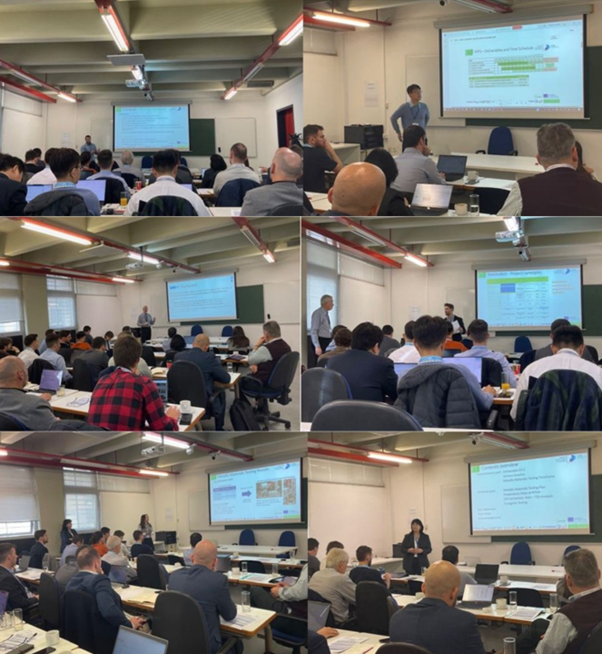
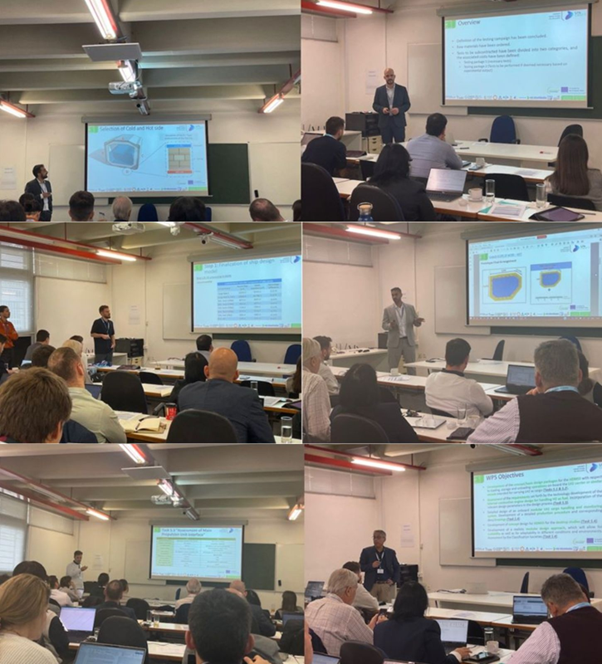
Throughout the meeting, partners reviewed the progress achieved to date, evaluated upcoming milestones, and discussed the detailed technical developments of the cargo containment system, insulation materials, design and manufacture of the small-scale test model, and prototype assembly. Presentations covered work across all work packages, with dedicated time for open discussion on engineering design, testing, performance expectations, and the integration of key components within the hydrogen marine storage system. The consortium also engaged in coordinated sessions on dissemination, communication, exploitation planning, and intellectual property strategy, reflecting the project’s growing maturity and stakeholder engagement efforts.
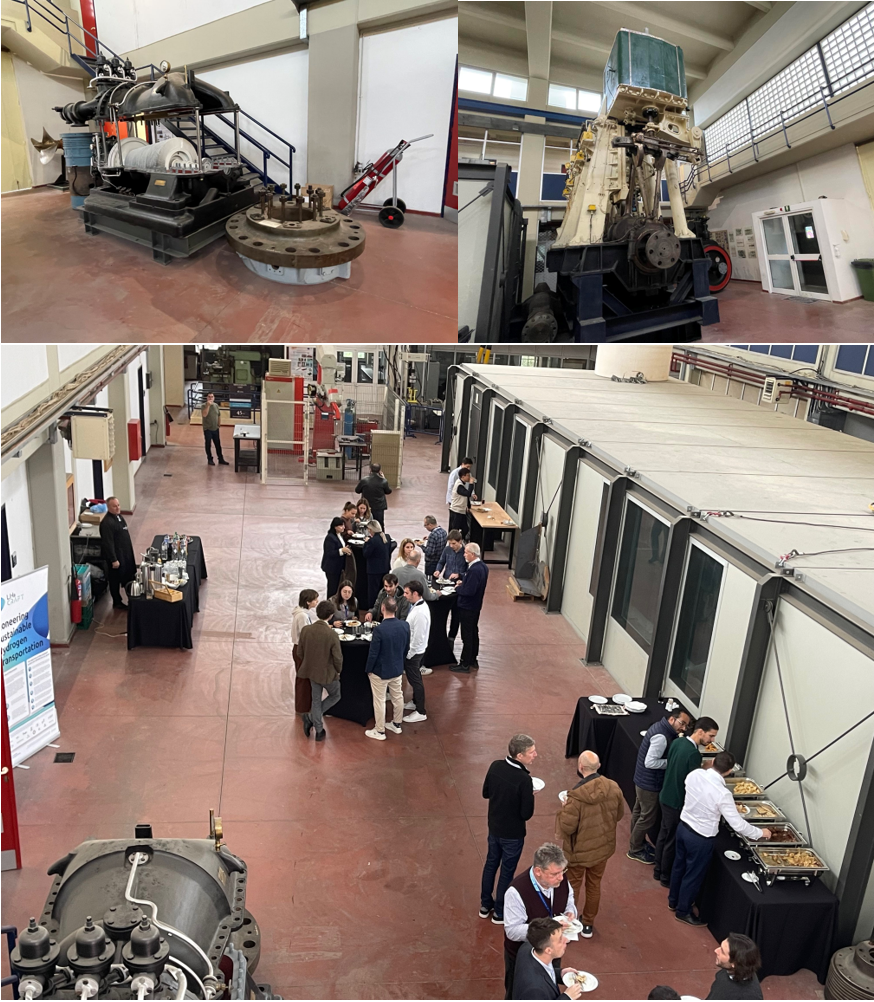
A highlight of the meeting was the guided technical tour of School of Naval Architecture and Marine Engineering at the National Technical University (NTUA)’s facilities. Consortium members had the opportunity to explore the School of Naval Architecture and Marine Engineering at the National Technical University’s advanced laboratories, experimental rigs, materials-testing equipment, propulsion and engine research units, hydrodynamic testing infrastructure, and robotics systems. The visit provided an invaluable glimpse into School of Naval Architecture and Marine Engineering at the National Technical University (NTUA)’s research capabilities and demonstrated how the institution combines deep technical expertise with hands-on engineering education. The experience enriched the consortium’s understanding of key experimental considerations relevant to LH2CRAFT, especially in relation to containment system material behaviour, structural integrity, and prototype testing environments.
The consortium expresses its sincere appreciation to the School of Naval Architecture and Marine Engineering -NTUA for hosting the meeting and for the exceptional organisation and hospitality. Special thanks are extended to Professor Nicholas Tsouvalis, Professor Anna Zervaki, and Professor Papadopoulos. We also warmly thank the School of Naval Architecture and Marine Engineering at the National Technical University students, Stavroula Maritsa, Zoi Chatzaki, Giorgos Charvalos and Thodoris Mavrozoumis, who actively supported the visit, contributed to presentations, and guided partners through laboratory setups. Their professionalism, technical knowledge, and enthusiasm reflect the high educational standards of the School of Naval Architecture and Marine Engineering.

The LH2CRAFT consortium looks forward to building on the momentum generated during this meeting, strengthening collaboration among partners, and advancing the next phase of research, testing, and system development toward safe and efficient marine transportation of liquid hydrogen.